Published 12 November 2026 · by Andy Shaw, Anderson Bespoke Construction
Short answer: a lot of extensions in Suffolk don't need planning permission at all, because they fall under what's called permitted development. But "don't need permission" is not the same as "no rules", and the two things people most often get wrong are the limits on size and the fact that building regulations apply regardless. Here's how it works for a typical house in Bury St Edmunds or the villages around it.
Permitted development: what you can build without applying
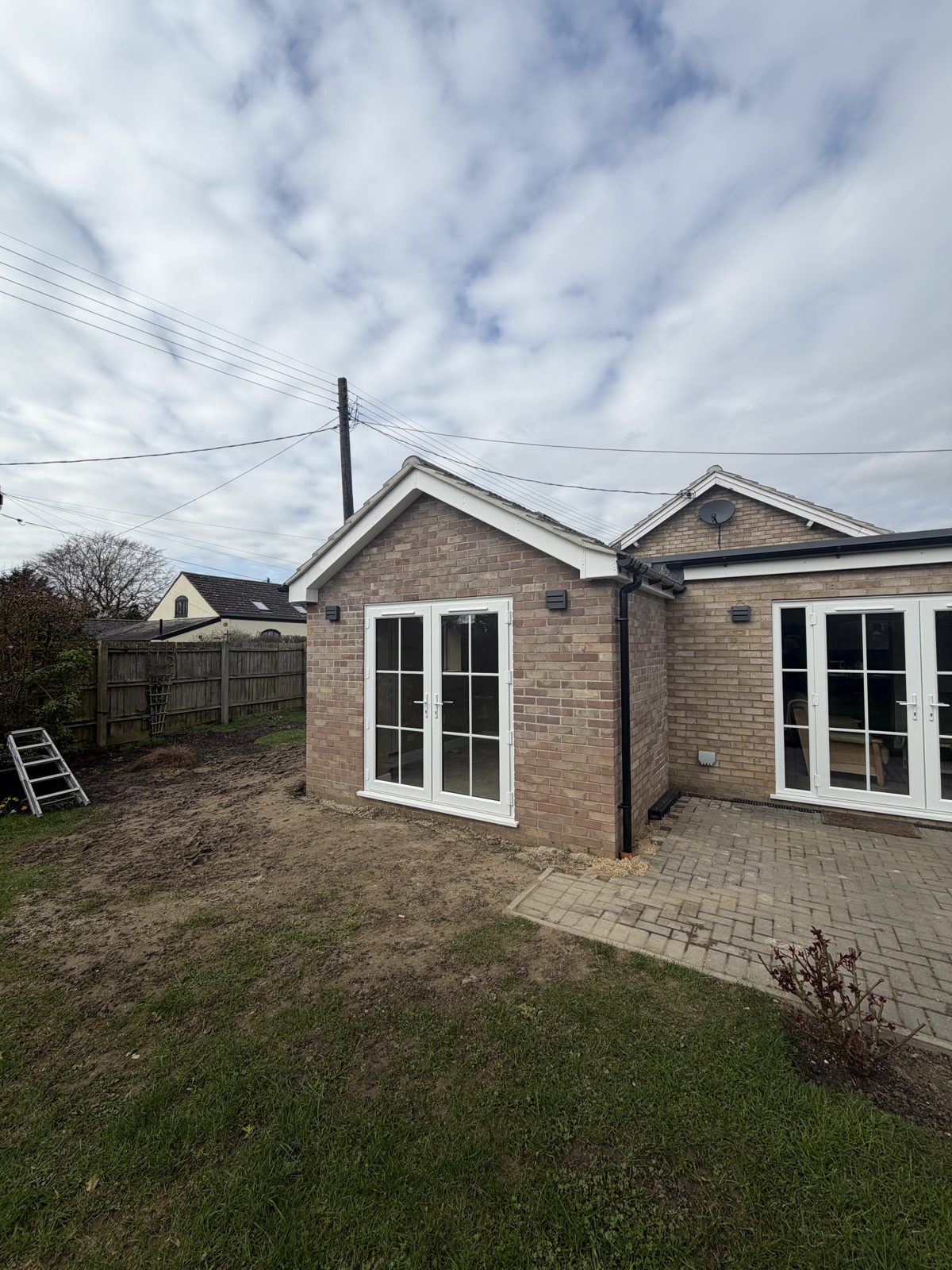
Permitted development (PD) rights let you extend a house within set limits without a planning application. For a detached house, a single-storey rear extension can go out up to 4 metres from the original rear wall; for a semi or terrace it's 3 metres. Under the "larger home extension" scheme you can go to 8 and 6 metres respectively, but you have to notify the council first and the neighbours get a say — that's called prior approval, and it's a lighter process than a full application.
The other main limits: the extension can't be higher than 4 metres to the ridge for a single storey, can't cover more than half the land around the original house, can't be forward of the front wall, and the materials should look similar to the existing house. Side extensions are capped at half the width of the original house. Two-storey rear extensions are allowed under PD too, but only up to 3 metres and only if they're at least 7 metres from the rear boundary.
The official rules are on the Planning Portal's extensions page, which has an interactive house showing each limit.
When you do need planning permission
- You've already used your PD rights. The limits are measured from the original house — as built, or as it stood in 1948. If a previous owner added a conservatory or a side extension, that counts against the allowance.
- The house is listed. Listed building consent is needed for almost any alteration, inside or out. The Whepstead roof we built this year was on a Grade II listed house and went through the full process.
- It's in a conservation area. Much of central Bury St Edmunds is. PD rights are reduced — side extensions and cladding, for example, need permission.
- PD rights were removed when the house was built. Common on newer estates, including parts of Moreton Hall. It will be in the original planning conditions; your solicitor's pack from the purchase usually says.
- The design goes beyond the limits — a two-storey extension to the side, anything forward of the house, a balcony, or materials that don't match.
When in doubt, the council can give you a formal answer: a Lawful Development Certificate confirms in writing that what you're proposing is permitted development. It costs about half the fee of a planning application and is worth having when you come to sell.
Building regulations apply either way
This is the one that catches people out. Planning permission is about whether you're allowed to build it; building regulations are about whether it's built safely and to standard — foundations, structure, insulation, drainage, fire safety, electrics. Every extension needs building regulations approval, whether or not it needed planning. The work is inspected at stages (foundations, damp course, structure, completion) and you get a completion certificate at the end.
We work with a private building control inspector, which means queries get answered quickly and inspections are booked around the programme rather than the other way round. The GOV.UK building regulations page explains the basics.
How it works in practice
If you come to us with an idea rather than drawings, the first step is a conversation and a site visit. We'll tell you whether what you want is likely to be permitted development or needs an application, and introduce you to an architect who'll produce drawings to suit the budget and handle the planning side — application, prior approval or certificate — with the council. West Suffolk Council's planning department covers Bury St Edmunds and the surrounding villages; typical determination time for a householder application is eight weeks.
Once the planning position is clear, we quote. We aim to return quotes within two weeks of meeting, and we'll talk through the budget with you once you've seen the figure.
Three things worth knowing before you start
- Check for previous extensions on the house before assuming PD rights are intact.
- Neighbours matter under prior approval — a quick conversation before the council writes to them saves a lot of friction.
- Drainage and services are often the hidden cost — if the extension sits over a drain run or a manhole, a build-over agreement with Anglian Water is needed. We check this early.
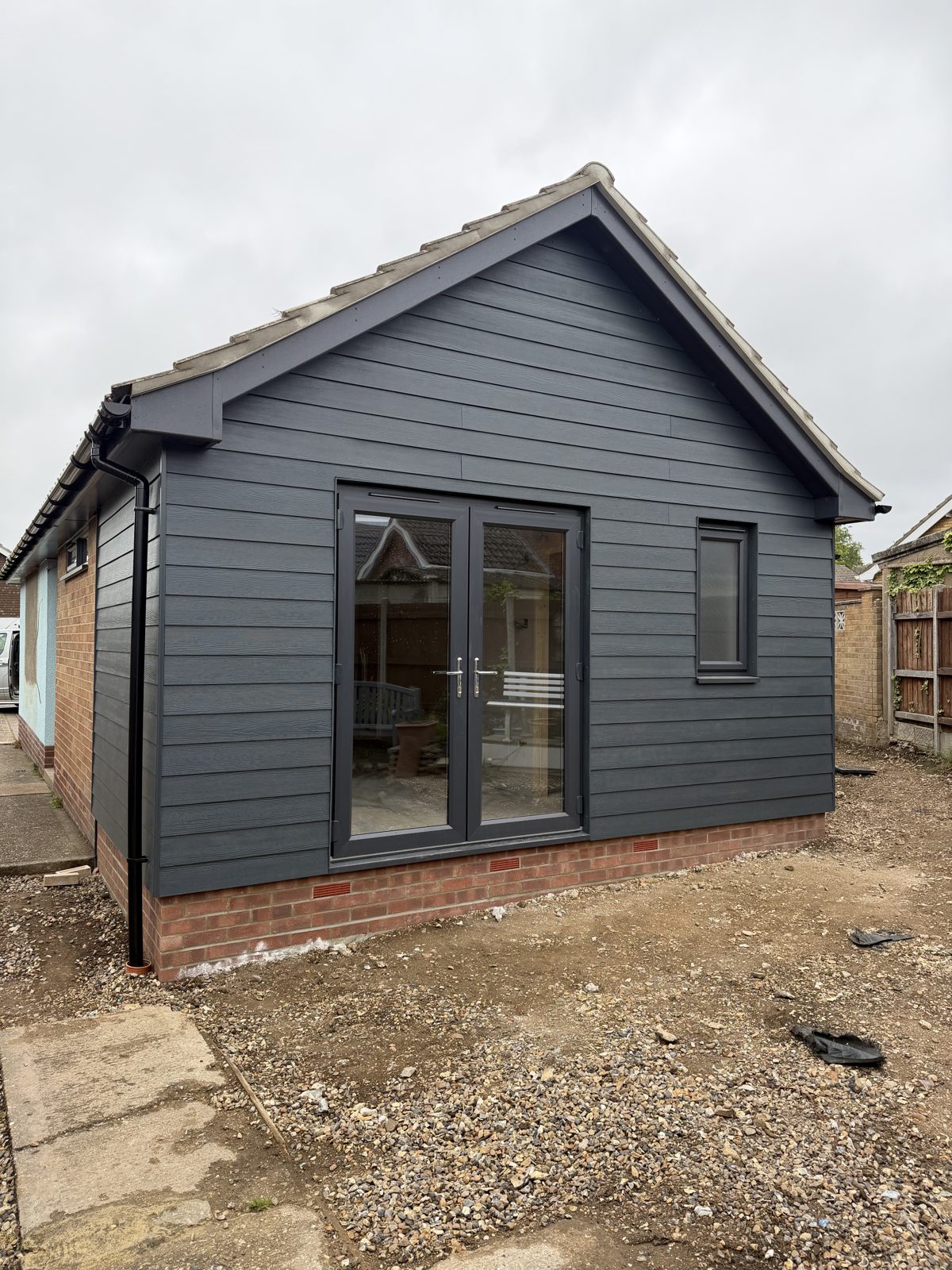
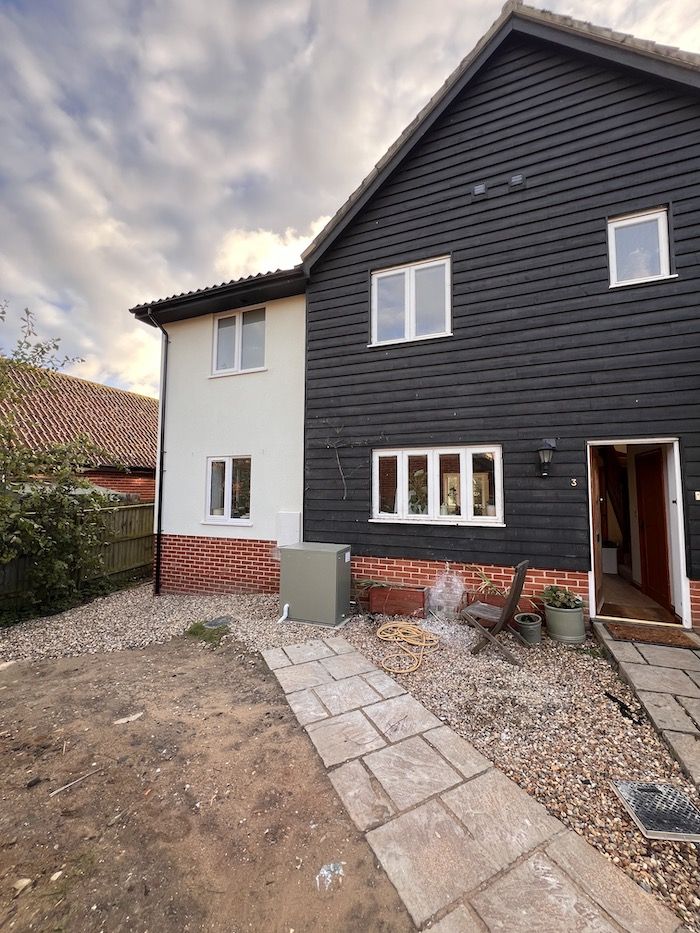
Thinking about an extension? Get in touch and we'll come out and take a look, or see what we build and recent extensions around Bury St Edmunds.